Top 25 Airbnb Turnover Cleaning Checklist for Five Star Guest Reviews
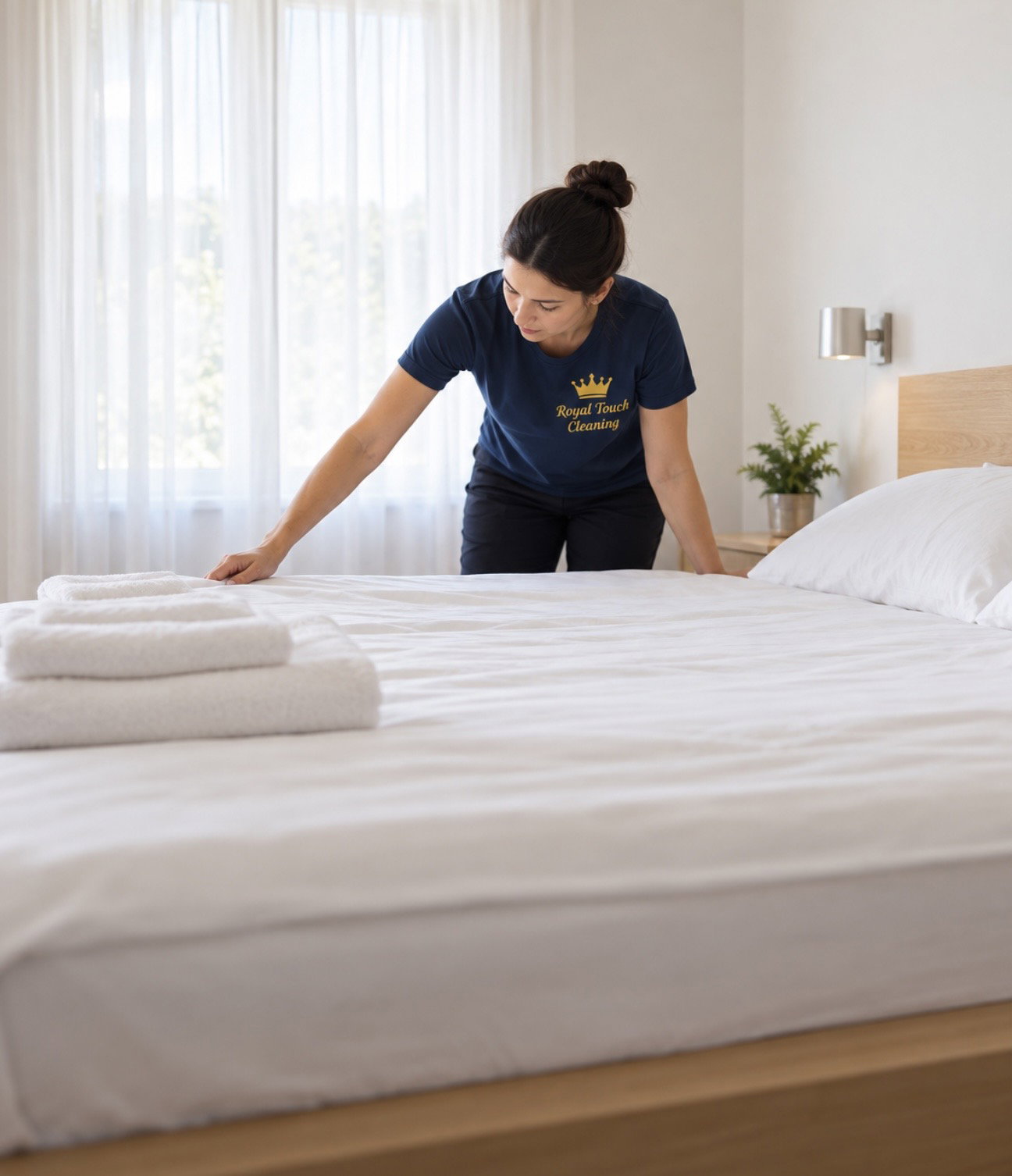
Five star reviews start with repeatable standards
Airbnb guests forgive a small flat or an older building, but they rarely forgive dirt, odours, or missed details. The fastest way to protect your ratings is to run the same turnover cleaning checklist every time, even when you are rushed between check out and check in. This guide lays out a practical, room by room and task by task process you can hand to a cleaner, co host, or yourself. It is written for UK style homes and flats, including properties across West London and Surrey, and it suits busy hosts in Sunbury, Kingston, and Hampton who want consistently high standards.
How to use this checklist
Work top to bottom, clean to dirty, and dry to wet where possible. Start with ventilation and laundry, then reset bedrooms, then bathrooms, then kitchen, then living areas and final inspection. If you manage multiple properties, print this list and tick off each item. If you use a professional team like Royal Touch Cleaning, share your house rules and restocking preferences so your cleaner can follow the same standards every turnover.
Top 25 Airbnb turnover cleaning checklist items for five star guest reviews
- 1) Arrive prepared, confirm access, and do a quick walk through
Before you touch anything, confirm the lockbox code or key location, then do a two minute scan of the property. Look for damage, stains, or missing items so you can document it early. Check for left behind belongings, food, or rubbish that could attract pests. Make a quick plan for the order of work, especially if you are on a tight window between guests. If you have a co host, send immediate notes and photos so any replacement items can be purchased while cleaning is in progress.
Tip: Keep a dedicated turnover kit in your car or supply cupboard, including microfibre cloths, gloves, bin bags, limescale remover, glass cleaner, disinfectant, and spare batteries.
- 2) Open windows, manage airflow, and neutralise odours early
Fresh air is one of the fastest ways to improve the guest experience. Open windows in each room where safe to do so, and switch on extractor fans in bathrooms and kitchen. If the property has lingering cooking smells or damp notes, air the space while you do laundry and general reset tasks. Avoid heavy fragrances that can trigger sensitivities. Aim for neutral, clean smelling air, not perfume. If you use an odour neutraliser, choose a product designed to eliminate smells rather than mask them.
Tip: Check for hidden odour sources, such as a full vacuum canister, a sink trap, damp towels, or bins without liners.
- 3) Start laundry immediately, linen, towels, bathmats, and tea towels
Turnover speed improves dramatically when laundry starts first. Strip beds, gather used towels, bathmats, and kitchen textiles, then start the first load straight away. If you have multiple beds, prioritise the largest items first so they have time to dry. Inspect linen for stains and treat quickly with the right product. Keep a dedicated set of spares so you can remake beds even if laundry runs behind. Guests judge cleanliness by linen more than almost anything else, so crisp, stain free sheets and fluffy towels are non negotiable.
Tip: Store clean linen in sealed boxes or bags to prevent dust settling between bookings.
- 4) Remove rubbish from every room, including recycling and food waste
Take a bin bag to each room and collect all rubbish, then empty all bins, including bathroom pedal bins and bedroom waste bins. Replace bin liners every time, even if the bin looks lightly used. Check cupboards and fridge for forgotten food, and dispose of anything left behind unless your policy says otherwise. Wipe bin lids and handles, since guests touch these frequently. Take rubbish out of the property fully, not just to a hallway, and ensure external bins are closed to deter animals.
Tip: Leave a clearly labelled recycling guide to reduce contamination and overflow on future stays.
- 5) Deal with left behind items safely and document them
Guests often leave chargers, clothing, toys, and toiletries. Collect items carefully, photograph them, and store them in a labelled bag with the date and booking name. For food and opened cosmetics, follow your hygiene policy, most hosts dispose of these. If you are a host in a busy area like Kingston or Hampton with frequent turnovers, a simple lost property system prevents disputes. Keep sensitive items out of reach and do not leave them visible for incoming guests.
Tip: Message the guest through the platform with one clear photo and a simple return option.
- 6) Reset and sanitise high touch points first
High touch points affect both hygiene and guest perception. Wipe and disinfect door handles, light switches, banisters, remote controls, thermostat controls, cupboard pulls, appliance handles, and window latches. Pay extra attention to entry doors and the lockbox area, especially on rainy days when grime builds up. Use an appropriate disinfectant, and follow dwell time instructions so the product actually works. This step also helps you notice sticky residue or fingerprints that would otherwise be missed in a rushed clean.
Tip: Keep a small checklist for high touch points, it is easy to overlook behind doors and on bedside lamps.
- 7) Dust from top to bottom, including vents, skirting, and behind furniture
Dust travels downward, so start high. Dust ceiling corners for cobwebs, light fittings, curtain rails, picture frames, and shelves. Then move to mid level surfaces and finally skirting boards. In many West London homes, traffic dust settles quickly, so include window sills, radiators, and the tops of wardrobes. If you can safely move small furniture, dust behind bedside tables and under sofas. This is one of the biggest differences between a basic tidy and a professional turnover that earns comments like spotless and immaculate.
Tip: Use a clean, slightly damp microfibre for glossy surfaces to avoid streaks.
- 8) Clean mirrors and glass, streak free and edge to edge
Guests notice streaks on mirrors immediately, especially in bathrooms and bedrooms. Spray glass cleaner onto a cloth rather than directly onto frames to prevent drips and damage. Wipe from top to bottom, then buff dry. Clean the edges where residue collects, and do not forget mirrored wardrobe doors. Check windows near seating areas and entrance for fingerprints at hand height. If you cannot clean exterior windows during every turnover, at least spot clean interior glass and make sure the view feels clear and bright.
Tip: A final dry buff with a second cloth makes mirrors look professionally finished.
- 9) Bedroom checklist, beds, bedside tables, and guest comfort details
Bedrooms are where guests look for reassurance that the home is hygienic. Remake beds with tight corners and smooth duvet covers. Use pillow protectors and mattress protectors, and replace them if stained. Dust and wipe bedside tables, lamps, headboards, and any charging stations. Check under the bed for socks, rubbish, or dust build up. Empty bedroom bins and replace liners. Ensure hangers are neat and wardrobes are dust free. If you provide extra blankets, store them in a clean bag or a closed drawer, not loose on a shelf.
Tip: Place a spare toilet roll and a small pack of tissues in the bedroom if your listing promises extra supplies.
- 10) Mattress, pillow, and upholstery spot checks for stains and odours
Even when sheets are clean, odours can linger in pillows, mattresses, and upholstered headboards. Check for stains, treat promptly, and allow time to dry. Use a fabric safe deodoriser if needed. Vacuum mattresses periodically and at least spot vacuum during turnover if you see crumbs or hair. Inspect sofa cushions and throws as well, especially in properties that host families. This step reduces the chance of guests reporting hairs, marks, or smells that lead to rating drops.
Tip: Keep a small handheld vacuum for quick hair removal from fabric and stairs.
- 11) Bathroom deep reset, toilet, sink, shower, and taps
Bathrooms drive reviews more than almost any other room. Clean the toilet thoroughly, including under the rim, around hinges, the base, and behind the seat. Descale taps and polish them so they shine. Clean the sink and plughole, remove hair, and rinse well. In the shower or bath, remove soap scum and limescale, especially on glass screens and tile grout. Rinse and dry surfaces to reduce water marks. Finally, wipe the bathroom door handles and light switches again, since you will have touched them during cleaning.
Tip: In hard water areas around Surrey, schedule regular descaling so limescale never becomes unmanageable.
- 12) Bathroom finishing touches, towels, toiletries, and presentation
After cleaning, stage the bathroom like a hotel. Hang fresh towels evenly or fold them consistently. Replace bathmats every turnover. Check toilet brush condition and replace when worn. Refill hand soap, provide spare toilet rolls, and wipe any drips on dispensers. Clean the shower drain cover and make sure it is odour free. Empty and wipe the bathroom bin, then fit a new liner. Guests notice small details, like water spots on taps or smudges on the mirror, so do a final light check with the bathroom lights on.
Tip: Keep a standard towel count per guest and per bathroom, and never improvise with mismatched sets.
- 13) Kitchen surfaces and splashbacks, degrease and disinfect
Kitchens require both hygiene and visual order. Clear all surfaces, then clean and disinfect worktops, splashbacks, cupboard fronts, and handles. Pay attention to corners near the hob where grease collects. Wipe small appliances like kettles, toasters, and coffee machines, including around buttons and underneath. Check for crumbs in toaster trays. If you provide condiments, ensure containers are clean and within date. Finish by drying surfaces for a streak free look, because water marks can read as dirty under bright kitchen lighting.
Tip: Use a separate cloth for food prep surfaces, and never reuse bathroom cloths in the kitchen.
- 14) Fridge and freezer reset, shelves, drawers, and smell control
Empty the fridge of any leftover food, then wipe shelves, door compartments, and drawers. Look for sticky spills under salad drawers and on the shelf edges. If the freezer is accessible, check for crumbs, ice build up, or strong smells, and wipe the door seal. Dry everything before closing to reduce odours. Place a simple, neutral fridge deodoriser if needed. Guests often open the fridge within minutes of arrival, so a clean, fresh smelling fridge prevents immediate negative impressions.
Tip: Keep fridge temperature set correctly and check it during turnovers to protect guest food safety.
- 15) Oven, hob, microwave, and extractor fan detail clean
These areas trigger complaints when grease and splatters are visible. Clean the hob, including the edges and control knobs. Degrease the splashback and wipe the extractor hood exterior, then check filters periodically according to your schedule. Clean the microwave inside and out, including the turntable and door edge where food splashes hide. If you provide an oven, remove obvious spills and clean the glass door. A full oven deep clean may not be necessary every turnover, but visible grime should never remain.
Tip: Keep a routine, such as light oven wipe every turnover and a full deep clean every four to eight stays.
- 16) Dishwasher and washing machine quick hygiene check
Guests use these appliances and they notice smells fast. Empty and wipe the dishwasher filter area if you see debris, and check the door seals for residue. Ensure there are dishwasher tablets if you advertise them. For the washing machine, wipe the door seal, remove hair or lint, and leave the door slightly ajar after cleaning if your policy allows, to reduce musty odours. Check detergent drawer for spills. In humid properties, this step prevents mould and keeps appliances guest ready.
Tip: Run a monthly maintenance cycle with machine cleaner, and note the date on your operations log.
- 17) Dishes, cutlery, cookware, and drawer organisation
Even if dishes look clean, guests may complain if there are water spots, lipstick marks, or greasy pans. Check glasses against light and rewash if needed. Ensure cutlery is spotless and stored consistently. Wipe inside drawers and organisers if crumbs are present. Inspect pans, baking trays, and chopping boards for residue. Remove any heavily worn items that make the kitchen feel neglected. A tidy, consistent kitchen layout helps guests settle in quickly and reduces messages like, where is the corkscrew.
Tip: Keep a simple inventory list so missing items are spotted during turnover, not after a guest complains.
- 18) Living room reset, dust, vacuum, soft furnishings, and remotes
Guests spend time here and notice comfort and cleanliness at eye level. Dust surfaces, shelves, TV stand, and lamps. Clean the TV screen carefully with an appropriate cloth. Disinfect remotes and check batteries. Vacuum sofas, including under cushions, and remove hair from throws. If you provide board games or books, ensure they are neatly arranged and not sticky. Wipe coffee tables and side tables, including undersides where fingerprints can appear. Finish with a light staging, pillows aligned, throws folded, nothing overcrowded.
Tip: If your property is family friendly, check under the sofa for snacks and small toys every turnover.
- 19) Floors, vacuum, mop, edges, and under furniture
Floors are the proof point of cleaning. Vacuum carpets slowly enough to lift hair and grit. For hard floors, vacuum or sweep first, then mop with the correct product so floors are clean but not sticky. Pay attention to edges along skirting boards and under dining tables where crumbs collect. Check corners near entry doors where outdoor dirt builds up. Let floors dry fully before final staging, especially if you have rugs. Guests often walk in with light shoes or socks, so clean floors reduce instant complaints.
Tip: Use fresh mop pads per property, reusing dirty water across rooms spreads grime and odours.
- 20) Entryway, stairs, and first impression zone
The first 30 seconds set the tone. Clean the front door inside, wipe handles, and remove smudges. Vacuum or mop the hallway and stairs, including edges. Dust any console table, coat hooks, or shoe rack. Ensure the welcome mat is clean and not shedding dirt. If your property uses a lockbox, wipe it and confirm it closes properly. In busy commuter areas like Sunbury, entryways collect road dust quickly, so a crisp entrance can be the difference between a good review and a great one.
Tip: Check lighting, a dim or blown bulb at the entrance creates an unwelcoming feel and suggests poor upkeep.
- 21) Windowsills, radiators, and the details that signal deep cleaning
Many cleaners focus on obvious surfaces and miss the details that guests photograph. Wipe windowsills, especially where insects or dust gather. Dust radiator tops and wipe the front panels. Clean around sockets and skirting where scuffs appear. Remove marks on walls where possible, especially near beds and dining areas. These touches create the impression of a professionally maintained home, which often leads to review phrases like better than expected and extremely clean.
Tip: Keep a magic eraser style sponge for scuffs, but test in an inconspicuous area to avoid paint damage.
- 22) Restocking essentials, toiletries, tea and coffee, and consumables
Cleanliness and hospitality overlap. Restock toilet paper, hand soap, shower gel if provided, bin bags, dish soap, and sponges if you supply them. In the kitchen, refill tea, coffee, sugar, and any welcome items you advertise. Replace worn sponges and cloths, guests interpret old sponges as unhygienic. Ensure enough towels and pillowcases for the booked guest count. If you provide a welcome pack, keep it consistent and simple, and store spare stock in a clean, labelled container.
Tip: Set minimum stock levels, for example, two spare toilet rolls per bathroom and a full set of dishwasher tablets for the average stay length.
- 23) Check safety items, smoke alarms, CO alarms, and fire blanket location
Safety checks are part of a professional turnover. Test smoke alarms and carbon monoxide alarms on a schedule and document the date. During each turnover, visually confirm units are present and not damaged. Check that the fire blanket or extinguisher is accessible and signage is clear if you provide it. Confirm that escape routes are not blocked by luggage storage, spare furniture, or cleaning supplies. This protects guests and reduces risk for hosts, and it shows a high standard of care.
Tip: Keep spare batteries on site and record replacements in a simple log.
- 24) Final staging, lighting, temperature, and photo ready presentation
Once cleaning is complete, stage the property so it matches the listing photos. Turn on key lights, close windows if appropriate, and set heating or cooling to a reasonable baseline depending on season. Align chairs, straighten rugs, and remove your cleaning caddy from view. Check that curtains or blinds are tidy and consistent. Make sure the WiFi information and house manual are visible if you provide them. A calm, uncluttered presentation helps guests feel they chose the right place, which often leads to higher overall ratings.
Tip: Do a quick video walk through for your records, especially if you manage remotely or use multiple cleaners.
- 25) Quality control inspection, sniff test, touch test, and checklist sign off
Quality control is what turns a good clean into a five star clean. Walk the property like a guest, starting at the entrance. Look at mirrors and taps under bright light, check corners for dust, and run your hand along kitchen counters to feel for stickiness. Do a quick sniff test in bathrooms, kitchen, and near bins. Flush toilets, run taps briefly to confirm hot water, and check that the shower drains well. Confirm all linens are dry and neatly placed. Finally, sign off the checklist and report any maintenance issues, such as leaks, loose handles, or peeling sealant, before the next guest arrives.
Tip: Create a simple pass or fail standard, if any item fails, fix it before you leave, or notify your host immediately.
Optional add ons that often boost reviews
- Leave a spare set of keys or confirm smart lock batteries are strong.
- Provide a lint roller for guest use, especially in pet friendly listings.
- Add a small, neutral welcome note that confirms how to reach support.
- In rainy seasons, include an umbrella stand and a quick mop in the entryway for guest convenience.
Turnover timing plan, a simple workflow for speed without cutting corners
If you want consistent speed, run the same sequence each time. Start with ventilation and laundry, then rubbish and high touch points. Next do bedrooms and bathrooms while the kitchen degreaser sits, then complete kitchen appliances and floors, then finish with staging and inspection. For hosts with properties across Sunbury, Kingston, and Hampton, travel time matters, so a predictable workflow also makes scheduling easier. If you outsource, agree the expected time on site and the non negotiable standards, and make sure your cleaner has access to spares and restock items.
When to book a deeper clean
Even excellent turnovers benefit from periodic deep cleaning. Plan a deeper cycle for grout, oven interiors, extractor filters, inside cupboards, behind large appliances, upholstery shampoo, and limescale treatment. Many hosts schedule this every 6 to 10 bookings, or monthly for high occupancy homes. Royal Touch Cleaning can support both fast turnovers and deeper domestic cleaning, including end of tenancy style resets, to keep your Airbnb performing like a premium listing across West London and Surrey.
Summary, a checklist guests can feel
Five star reviews are earned through consistency. Guests may not mention every detail you clean, but they feel the difference when a property is fresh, hygienic, and carefully staged. Use this top 25 Airbnb turnover cleaning checklist to standardise your process, reduce complaints, and protect your ratings. If you want help maintaining reliable standards between bookings, especially in Sunbury, Kingston, and Hampton, a trusted local cleaning team can make your turnovers smoother and your guest experience more predictable.
